
Used Japanese Cars and Trucks for Russia
Drivers have to drive on the right hand side of the road according to Russian traffic rules. However, traffic officials usually allow vehicles with Japanese style Right Hand Drive (RHD) that are actually designed for running on the left side of the road.
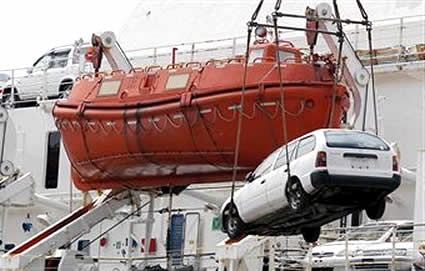
APEC summit delegates visiting Russia noticed that in some places like the city of Vladivostok in the far eastern region, cars were being driven on the left side of the road. In the markets here there’s a big demand for Japanese car models and so right-hand drive cars are becoming more common. Therefore, Mazda has started a joint venture with Sollers, a Russian manufacturer for producing its cars domestically.
Popularity of Japanese Used Cars in Russia
Imported Japanese cars like Toyotas are popular in the Russian automotive industry and dominate the domestic car market. Unfortunately a political implication has been linked to the importing of Japanese cars leading to protests from Russian officials. Therefore, the government has decided to impose regulations and tariffs to make importing of Japanese cars more expensive.
The local people are opposing the decision of the authorities regarding this as they prefer the imported Japanese cars to local Russian brands. About 60% of the cars in the Primorye Region even today are right-hand drive cars. Formerly used Japanese cars were priced from $2,500 to $3,500. But due to the tariffs imposed, the cost has now increased to $10,000. Fortunately, the demand is still good for reliable hatchbacks, quality all-wheel-drive automobiles or seven-seat minivans from Japan.
The biggest importer of new Japanese automobiles in the world is the United States, but Russia currently imports the largest number of used Japanese vehicles. Most of the Japanese cars arrive in Vladivostok, the Russian Pacific port.
China and a number of Southeast Asian countries have stopped importing used cars, and so some analysts feel that Russia has emerged as a major market for used Japanese cars. The high-quality cars from Japan have made a better option available for the local population which lacked access to decent cars – or any cars whatsoever. Today Russian car owners can be seen happily driving multitudes of used Toyotas, Nissans and Hondas on Khabarovsk’s streets, helping Russia to progress towards a democratic automobile culture.
Since their roads are in poor shape, Russians usually prefer four-wheel-drive cars, and robust off-road-type vehicles. The top-quality of underbody treatments in Japanese cars mostly withstands the conditions of Russian roads on which salt has to be used substantially during the winter.
The contrast in income between the economically stagnant eastern Russia and the thriving western parts is reflected in the car sales. Of all the Toyotas sold in the Far East of Russia around 90% are used cars. But in the Europe-influenced western parts, around 90% of the Toyotas sold are new.
Recently, Russian bureaucrats have launched a vigorous campaign against the right hand drive used cars. This campaign is backed by Russian domestic car makers and Western companies who are planning to establish their car factories in Russia. Duties on imported used cars are also set to be hiked sharply to protect Russia’s domestic automobile makers.
